
The problem with chemical fumigation and fogging
Traditional OT fumigation and fogging use chemicals that leave smell and residue, irritate eyes and lungs, and keep the theatre closed until the fumes clear. Results also depend on how carefully each step is done.
How UV-C disinfection helps
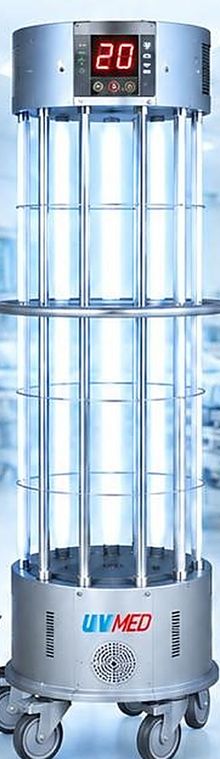
A mobile UV-C machine is placed in the closed, empty OT after cleaning and runs an automated cycle of about 15–20 minutes. Germicidal UV light disinfects exposed surfaces and leaves no chemicals, no smell and no residue, so the theatre can be used again sooner.
Many hospitals use UV-C disinfection alongside, or in place of, chemical fogging — as decided by their infection-control committee.
Used in
- Operation theatres and cath labs
- Labour rooms and NICUs
- ICUs and isolation rooms
- Procedure and dressing rooms
Key features
- No chemicals, no fumes, no smell
- No residue on equipment
- About 15–20 minutes per cycle (LISAMED brochure)
- 360° motion sensors — auto pause for safety
- Every cycle logged for records
- Installation and staff training by HTS
Frequently asked questions
What can be used instead of formalin fumigation in OT?
Many hospitals use automated UV-C room disinfection between cases and at the end of the day. It is chemical-free and leaves no smell or residue. Follow your infection-control committee’s policy for your OT.
How long after UV-C disinfection can the OT be used?
As soon as the cycle is complete. There are no fumes to clear.
Is UV-C safe for OT equipment?
UV-C is used routinely in hospitals. Avoid leaving sensitive plastics directly next to the lamps for long periods; HTS explains correct placement during training.
For more information
Visit our website or contact us — Health Tecch Solutions (HTS), Authorised Channel Partner of LISAMED.